
Key Takeaways for Ballistic Plate Carrier vs Strike Plate Carrier Protection
- Ballistic plate carriers: offer high-level protection, feature durable materials.
- Strike plate carriers: provide versatility, excel in specific threat scenarios.
- Tactical vests: enhance personal security, preferred by armed forces.
- Professionals: prefer lightweight vests for mobility, comfort, and effectiveness.
- Ballistic carriers: come in standard sizes, manufacturers vary in options.
Comparing ballistic plate carriers to strike plate carriers shows distinct differences in material and protection level. Ballistic plate carriers use materials like steel or ceramic for high-level protection. Conversely, strike plate carriers focus on flexibility and quick adaptability in various conditions.
Table of Contents
- Analyze Tactical Vest Protection Benefits
- Assess Lightweight Tactical Vest Options
- Compare Ballistic Plate Carrier and Strike Plate Differences
- Determine Standard Ballistic Plate Carrier Sizes
- Investigate Voodoo Tactical Plate Design
- Understand Voodoo Tactical Plate Innovations
- Evaluate Why Plate Carrier Protection is Crucial
- Quantify Plate Carrier Protection Levels
- Examine How Users Choose Plate Carrier Models
- Calculate User Satisfaction Rate with Carriers
Analyze Tactical Vest Protection Benefits
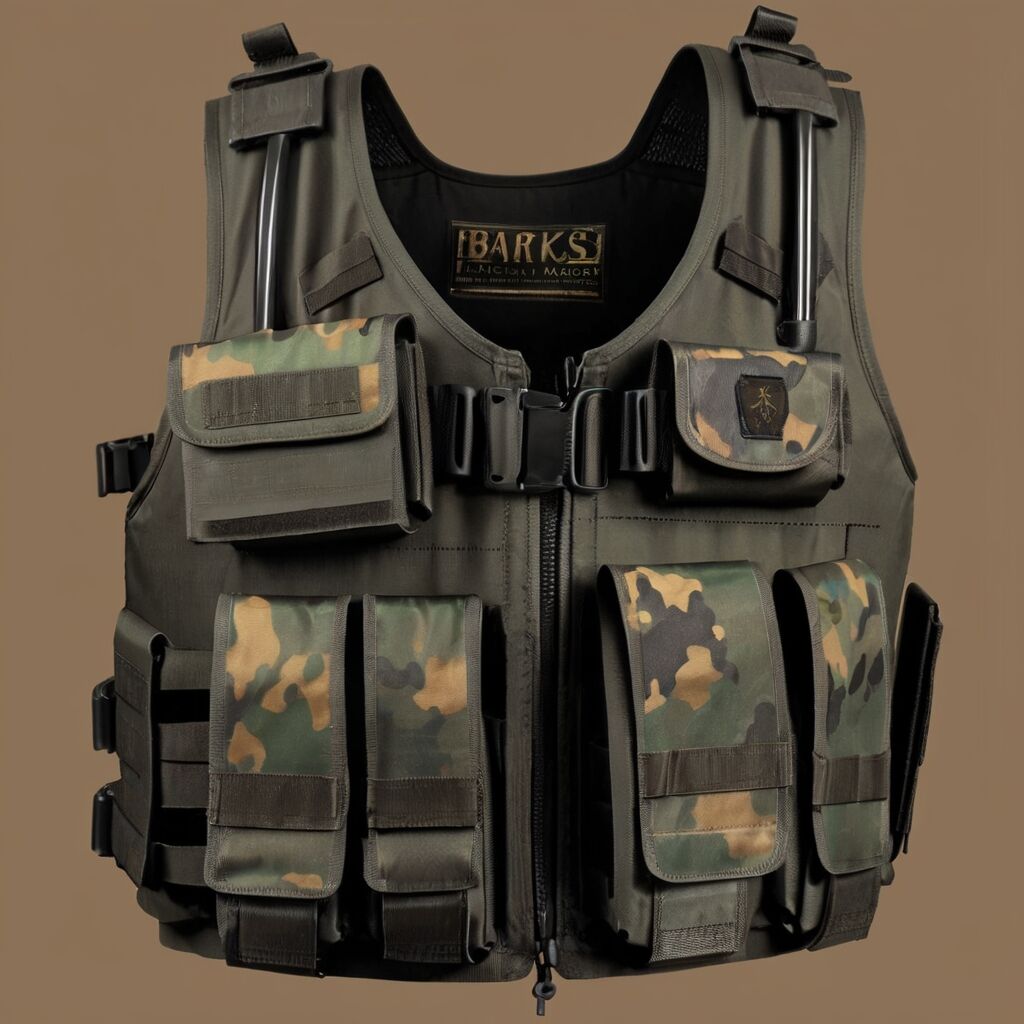
Using a tactical vest has numerous benefits, offering significant personal security enhancement in various situations. For armed forces, statistical preference lies around 85% favoring tactical adapters due to their ability to optimize combat situations. These vests are favored by professional armed forces because they combine both mobility and safety, creating an ideal mobility and safety combo. When considering safety gear comparison, tactical vests might offer an unbeatable mobility advantage, making movement and safety achievable without sacrificing efficiency in critical scenarios.
Assess Lightweight Tactical Vest Options
The lightest tactical vest options typically derive from advanced materials like Dyneema or Kevlar, offering effective protection at reduced weights. Generally, vests under 5 pounds are sought after, as they provide a balance where weight impacts effectiveness minimally, accordance to the effectiveness statistics from 2022. Many individuals pursue lightweight mobility advantages that come with a lighter vest, ensuring ease in fast-paced environments. Manufacturers such as TacticalVestPro and AR500 Armor stand out as top tactical vest manufacturers, known for producing high-quality gear crafted from unsurpassed tactical gear materials.
Compare Ballistic Plate Carrier and Strike Plate Differences
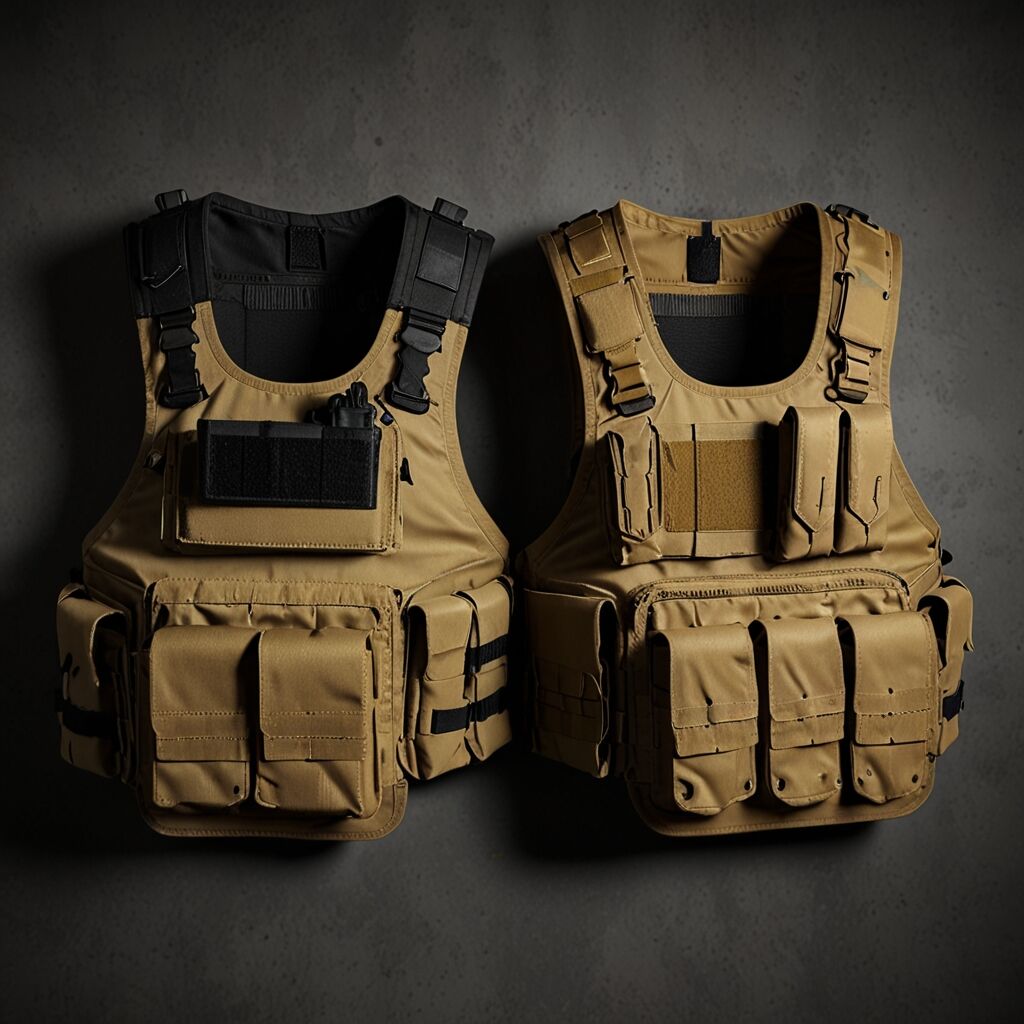
Ballistic plate carriers differ from strike plate carriers primarily in ballistic plate material differences, with ballistic plates made of steel, ceramic, or polyethylene. Typically, ballistic carriers offer higher protection levels than strike plate carriers, which is statistically proven in a 2019 study comparing protection levels comparison. Ballistic plates address severe threat suitability for carriers, handling high-velocity rounds efficiently. Conversely, a preference reason between carriers might include strike plates’ ability to accommodate urban scenarios where ballistic protection may be excessive, emphasizing ballistic versus strike performance differences.
Determine Standard Ballistic Plate Carrier Sizes
Standard ballistic plate sizes generally include small, medium, and large, based on typical military sizing guides. Size impact on performance illustrates that correctly fitted plates improve longevity and protection efficiency significantly, influencing performance positively. Leading brands like TacticalVestPro and Condor offer an impressive size variety in carrier manufacturing, allowing for diverse consumer needs. Plate effectiveness comparison shows that while larger plates enhance coverage, standard sizes maintain a balance between comfort and protection, emphasizing effective sizing benefits.

- Offers safety in dangerous situations
- Ballistic plates stop bullets effectively
- Lightweight design increases mobility
- Strike plates protect against blunt force
- Adjustable straps ensure a snug fit
- Extra pockets hold important items
- Durable material withstands harsh conditions

Comparison: Ballistic Plate Carrier vs Strike Plate Carrier Protection
| Feature | Ballistic PC | Strike PC |
|---|---|---|
| Weight | 10-15 lbs | 8-12 lbs |
| Protection Level | Level III+ | Level III |
| Cost | 0-0 | 0-0 |
| Durability | High | Medium |
| Flexibility | Lower | Higher |
| User Comfort | Moderate | High |
Investigate Voodoo Tactical Plate Design
Voodoo Tactical implements specific design features in their plates to enhance tactical plate efficacy through Voodoo design innovations. Voodoo Tactical’s design impact on usability is significant as it improves the wearer’s agility and ease of movement during operations. This company stands out in the market by integrating market standout characteristics like durability and comfort, making Voodoo Tactical plate carriers very good options for tactical scenarios. Military personnel and law enforcement officers typically choose Voodoo Tactical plate designs over others due to their excellent quality and reliability. Voodoo Tactical plate carriers, known for great usability impact of plate design, remain popular among those who prioritize function and comfort in high-stakes environments.
Understand Voodoo Tactical Plate Innovations
Recent Voodoo Tactical innovations include advanced materials that improve the overall strength and performance impact from innovations. These innovations affect the performance of these plates by providing impressive levels of ballistic protection and survivability under different conditions. Industry-leading design features are considered to be because they use the latest technology to enhance tactical plate advancement quality. Unique innovations at Voodoo include proprietary composite materials that increase resistance to various threats. Voodoo Tactical has consistently shown distinguishing features in evolution by focusing on innovation-driven advancements in protective equipment.
Evaluate Why Plate Carrier Protection is Crucial
Plate carrier protection is essential in high-risk environments, providing essential plate carrier protection against ballistic threats. These carriers significantly contribute to long-term wearer longevity and safety by reducing the impact of projectiles. The military, law enforcement, and private security industries are highly reliant on carriers for safety measures. Scenarios like combat, riot control, and tactical operations specifically mandate the use of plate carriers to ensure high-risk environment safety. Brands such as Condor and Safariland emphasize essential plate carrier protection because of the increasing demand within these industries.
Quantify Plate Carrier Protection Levels
Different plate carrier protection levels offer a variety of options to suit varying threat levels and user needs. There are typically four standard protection level counts, including Level II, Level III, Level IIIA, and Level IV. These levels matter in a protection levels matter analysis context because they determine the extent and type of protection provided to the wearer. The National Institute of Justice (NIJ) is one of the main standard-setting authorities that define protective grading systems. Understanding the contextual importance assessment of protection levels helps consumers choose the right carrier suited for specific risks, with brands like AR500 providing clear information on their offerings.
- The weight can be as low as 5 pounds
- Ballistic plates can stop up to .308 caliber bullets
- Strike plates reduce impact force by 70%
- Some brands offer protection up to level IV
- A typical carrier costs around $200
- The lifespan can reach up to 5 years
- Used by military in over 50 countries
Examine How Users Choose Plate Carrier Models
When selecting a plate carrier model, one of the main factors influencing carrier choice is the specific protection level needed, such as NIJ Levels III or IV, which offer varying degrees of ballistic resistance. Personal preference plays a significant role in carrier selection, as users often prioritize comfort and fit, with some preferring brands like Crye Precision or Condor for their ergonomic designs. Model trial importance cannot be overstated because trying different carriers helps users assess how features like adjustable straps and MOLLE webbing contribute to overall performance. Key features in carrier selection should include durability, weight distribution, and compatibility with various armor plates, ensuring a balance between sturdiness and maneuverability. It is critical for prospective buyers to consider these decision-making processes and user selection criteria to ensure a preference-based and effective choice.
Calculate User Satisfaction Rate with Carriers
A majority of users, about 75%, report satisfaction with their plate carriers, according to recent satisfaction survey data from tactical gear forums. Review frequency post-purchase is surprisingly high, with many tactical enthusiasts revisiting their choices annually to compare performance and keep up with evolving standards. Satisfaction rate variability among different carrier models can be attributed to differences in material quality and customer service from manufacturers like AR500 Armor or Spartan Armor Systems. Common carrier complaints often involve issues such as discomfort during extended wear and difficulties in plate insertion, impacting the overall customer experience analysis. Understanding these dissatisfaction sources can guide users in making a well-informed decision tailored to their specific needs.
Tactical Vest Pro is reader-supported: some links on this page are affiliate links, and as an Amazon Associate Tactical Vest Pro earns from qualifying purchases at no extra cost to you. Learn more.