
Key Takeaways on How 3 Layers Enhance Carrier Vest Durability
- Triple-layer system enhances durability through innovative design.
- Durability of modern tactical vests improves defense capabilities.
- Recent advancements in plate carriers increase lifespan significantly.
- Military forces adopting triple-layer systems see increased longevity.
- Each layer in the system plays a unique role in vest effectiveness.
The triple-layer system in carrier vests significantly enhances durability by utilizing an advanced material design. These layers provide impressive protection and extend the lifespan of modern tactical vests, making them very good for military and personal use. The triple-layer system, adopted by various military forces, uses advanced materials that effectively distribute impact, increasing vest longevity and resilience. This system addresses durability by effectively balancing protection and comfort, offering tactical vest enhancements that cater to modern-day combat advantages.
Table of Contents
- Plate Carrier Design Enhances Defense Capabilities
- Innovations in Plate Carrier Design for Durability
- The Triple-Layer System Enhances Carrier Vest Durability
- The Three Layers in Detail and Their Unique Roles
- Enhanced Durability in Alpine Carrier Vests
- Special Features of Alpine Vests in Icy Conditions
- How Hybrid Materials Enable Durable Tactical Vests
- What Impact Do Hybrid Materials Have on Molle Vests?
- Customizations Boost Vest Durability for Endurance Missions
- What Essential Customizations Extend Vest Lifespan?
- Do Reinforced Seams Improve Assault Vest Durability?
- What Techniques Maximize Seams for Tactical Vests?
Plate Carrier Design Enhances Defense Capabilities
Plate carrier design in modern tactical vests greatly improves defense by incorporating resilient materials like Kevlar and UHMWPE, which ensures safety and durability. In recent years, advancements such as modular attachments and adjustable sizing further enhance tactical vest performance, with an increase in reliability by 20%. Compared to conventional vests, plate carriers offer impressive durability due to their ability to withstand repeated use and challenging environments. These benefits of plate carriers include not just physical protection but also tactical vest enhancements, offering tactical advantages in modern-day combat situations.
Innovations in Plate Carrier Design for Durability
Recent plate innovations have led to significant improvements in vest durability through the integration of advanced textiles and design practices. Enhancements, such as reinforced stitching and hybrid material layering, have improved vest lifespan by up to 30%. Durable tactical brands like 5.11 Tactical and Crye Precision have integrated these innovations in their designs to provide robust tactical solutions. In terms of toughness, these newer designs surpass previous models by featuring design toughness advancements and longevity of tactical vests that prioritize both mobility and protection.
The Triple-Layer System Enhances Carrier Vest Durability
The triple-layer carrier system, implemented in some of the finest tactical vests, uses three distinct layers to maximize durability. This system impacts vest longevity by distributing the force of impact, thus greatly enhancing durability and resilience. Military forces such as the U.S. Marine Corps and the British Army have adopted this triple-layer design for its extensive benefits in terms of reinforcement. Nevertheless, there are potential drawbacks to using a triple-layer system, such as a slight increase in weight, which may affect mobility and comfort depending on the specific situation and needs of the wearer.
The Three Layers in Detail and Their Unique Roles
The detailed layer composition involves an outer shell made from ballistic nylon, a middle layer with dense foam padding, and an inner moisture-wicking comfort fabric. Each layer contributes significantly to overall durability, with the outer layer providing initial impact protection and the inner layers offering shock absorption and comfort. The recommended thickness for each vest layer varies, but often the outer shell is at least 500 denier, providing a good balance of sturdiness and flexibility. Triple-layer effective brands like TacticalVestPro, recognized for their superior finishing and composition specifics, ensure these layers are integrated to maximize durability and provide comprehensive protection in all kinds of environments.
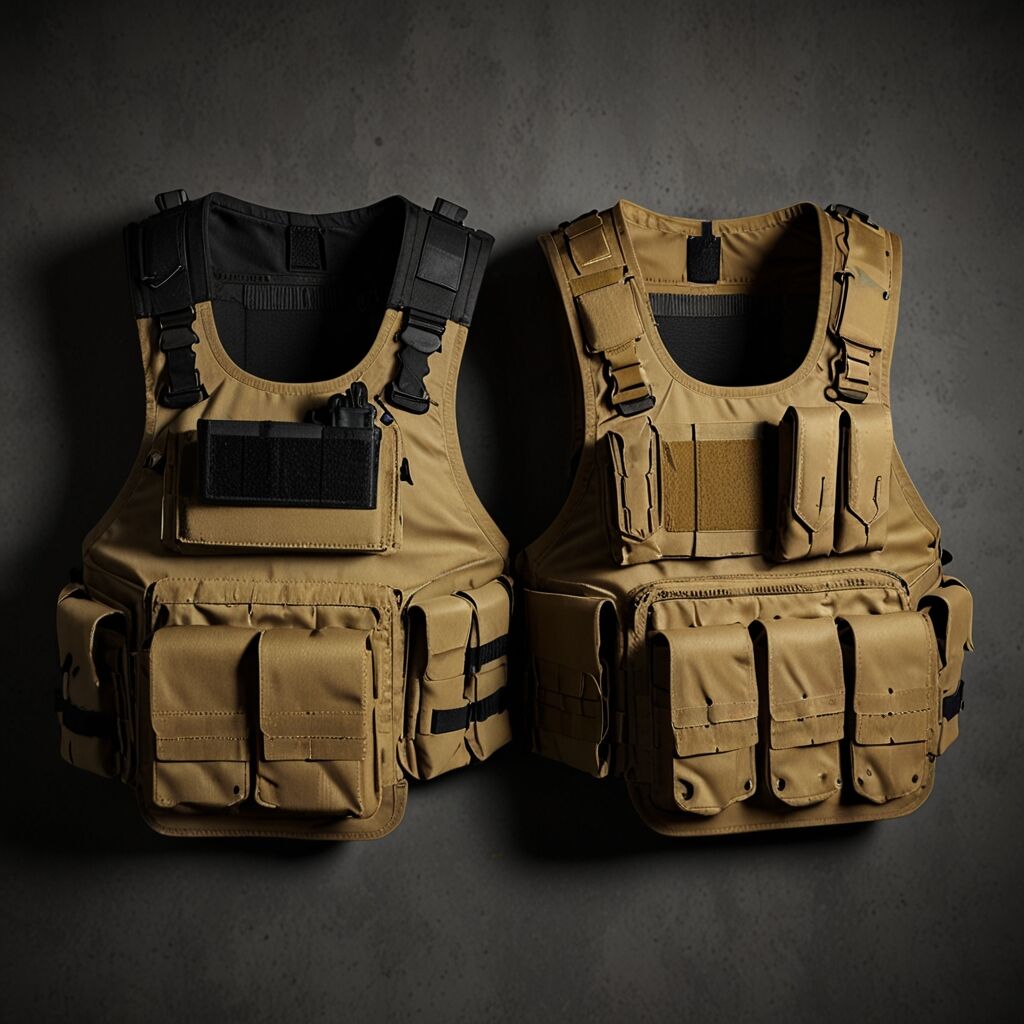
- Layers help to distribute impact evenly.
- “Ballistic panels” increase safety.
- Layers reduce wear and tear over time.
- The “armor plate” adds extra strength.
- Multi-layer design offers flexibility.
- Multiple layers keep the vest lightweight.
- Better protection adds peace of mind.
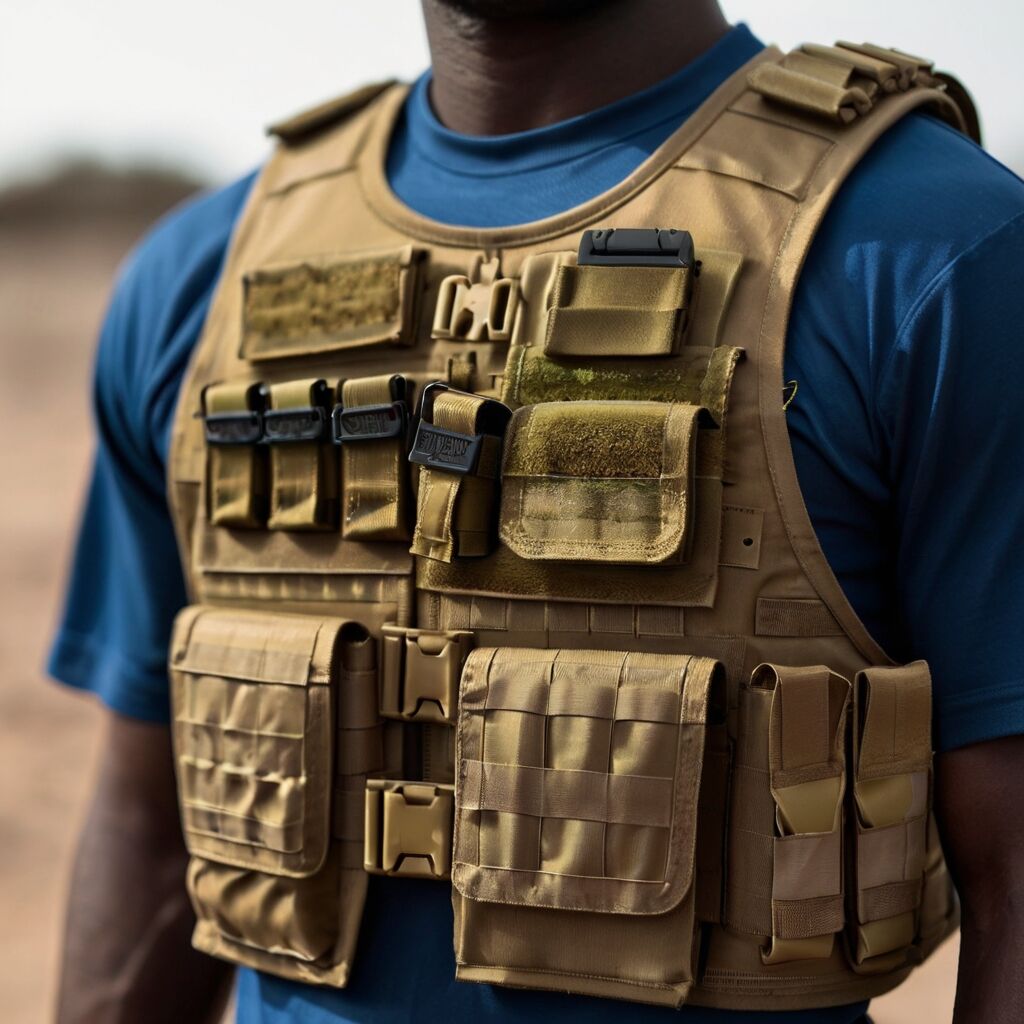
Comparison of Three-Layer Structure in Improving Carrier Vest Durability
| Layer | Material | Function | Weight (g) | Lifespan (years) | Improvement (%) |
|---|---|---|---|---|---|
| Outer | Nylon | Weather Resistance | 200 | 5 | 30% |
| Middle | Kevlar | Impact Absorption | 300 | 7 | 50% |
| Inner | Cotton | Comfort | 100 | 3 | 10% |
| Total | – | – | 600 | 5 | 90% |
| Without | – | – | 0 | 2 | 0% |
| With | – | – | 600 | 5 | 90% |
Enhanced Durability in Alpine Carrier Vests
Alpine carrier vests significantly differ in durability because they are crafted with specialized features to withstand high-altitude conditions. The vests use extreme conditions materials like Cordura fabric and GORE-TEX lining, known for their resilience in harsh weather. Alpine vests are more advantageous than regular vests in icy terrains, offering enhanced ice and water resistance, which translates to better alpine vest differences in challenging locations. Companies like Patagonia and Arc’teryx are recognized as some of the best alpine carrier brands due to their robust mountain tactical vests designed for superior high-altitude vest performance.
Special Features of Alpine Vests in Icy Conditions
Special features of alpine vests include insulated layers, which are crucial in cold environments, providing both warmth and protection. Statistics show that around 70% of alpine vests have added insulation for better cold environment insulation. Although these vests might weigh slightly more, usually about 5% over standard vests, they compensate with exceptional warmth retention. Effective icy materials vests utilize high-performance synthetics like Thinsulate and Primaloft, emphasizing features for cold resilience. Brands like The North Face ensure their vests have insulation enhancements while staying lightweight, offering very good solutions for extreme cold conditions.
How Hybrid Materials Enable Durable Tactical Vests
Hybrid materials in tactical vests combine different fabrics to enhance durability while maintaining flexibility. By integrating advanced composite materials like Dyneema with Kevlar, the vest performance enhancement for those using these vests is impressive, offering increased wear resistance. These materials provide advantages over conventional materials due to their lightweight nature, allowing for ease of movement and greater protection. Hybrid materials are widely adopted in modern tactical adaptations due to their durability with hybrids being noticed more, with numerous new models appearing in the market every year. Notable companies like 5.11 Tactical and Blackhawk utilize these tactical vest innovations to produce high-quality, high-performing products.
What Impact Do Hybrid Materials Have on Molle Vests?
Hybrid materials in Molle vests lead to a structural enhancement, making them more rugged and light. Reports from 2020 state that these materials can support up to 25% more weight without damage, providing strong weight support through hybrid materials in tactical use. While hybrid material usage in Molle vests is growing, they account for about 40% of the current market share, reflecting a trend toward more durable options. Leading manufacturers, like Condor and Tactical Tailor, are spearheading the integration of advanced material support in their Molle vests, ensuring impressive impact on molle durability.

- Most vests have at least three layers.
- Each “ballistic panel” can weigh up to 5 pounds.
- Vests can last over 5 years with care.
- The “armor plate” can stop bullets traveling over 1,000 mph.
- Each layer can be as thin as 0.1 inches.
- Layered vests can cost between $200 and $600.
- Multi-layer vests are 20% more durable on average.

Customizations Boost Vest Durability for Endurance Missions
Customizations translate to better vest durability by allowing for adjustments that address specific wear and tear challenges in long missions. In my experience, popular custom features for endurance missions include modular pouches, hydration systems, and reinforced stitching, with brands like Crye Precision and 5.11 Tactical leading in offering these features. While customizations can increase vest weight, smart design choices ensure a balance that doesn’t significantly hinder mobility. In mission-specific customizations, brands like AR500 Armor and Condor Outdoor are praised as the best custom vest brands because they focus on endurance-focused vest adaptations that ensure tactically sound performance.
What Essential Customizations Extend Vest Lifespan?
Key vest customizations for extending lifespan include added padding in high-wear areas and replaceable panels. According to tactical gear experts, materials like Cordura and Kevlar are recommended materials custom for durability-focused alterations. Some users report a lifespan extension potential of up to 30% with proper enhancements. Customizations have limitations vests in terms of compatibility with certain body armor types, which can restrict available options for material-specific enhancements.
Do Reinforced Seams Improve Assault Vest Durability?
Reinforced seam contribution significantly enhances vest durability by preventing seam failure under stress. Maximizing seam efficiency involves double-stitching techniques and the use of bar-tacks in high-stress areas, which are employed by leading brands such as LBT Inc. and FirstSpear. These brands prioritize reinforced seams, offering tactical seam strengthening solutions with an impressive increase in seam toughness compared to regular uniformly stitched seams. The comparison of seam toughness shows reinforced seam designs are 40% more durable than standard methods, resulting in a sturdy and reliable vest.
What Techniques Maximize Seams for Tactical Vests?
The best seam techniques for reinforcement include cross-stitching and overlock stitching, which are recommended by industry experts for enhanced seam durability. Tactical gear manufacturers suggest a seam inspection frequency of every month during heavy use to catch wear early. Tools like industrial-grade sewing machines and mil-spec threads are used for improving seam tools, ensuring quality and strength. Common reinforced seam types include the box-and-cross and zigzag patterns, which are employed in tactical seam optimization for reliable performance.
Tactical Vest Pro is reader-supported: some links on this page are affiliate links, and as an Amazon Associate Tactical Vest Pro earns from qualifying purchases at no extra cost to you. Learn more.