
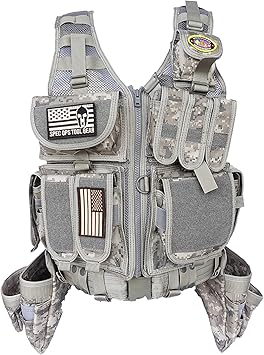
SOTG Delta Tactical Dcyte 26-48
Affiliate links: we may earn a commission. Prices and availability are set by each store.
Understanding the weight dispersal system of the SOTG Delta Tactical Tool Vest is key for fans of tactical gear who seek comfort and functionality. This tactical vest features a carefully engineered system designed to enhance weight distribution, improve mobility, and provide customization for various users.

Understanding the Weight Distribution Mechanism of the SOTG Delta Tactical Tool Vest
The key elements that affect weight distribution in the SOTG Delta Tactical Tool Vest include the vest’s adjustable straps, compartment layout, and the placement of gear. This weight dispersal system enhances mobility and comfort by ensuring that heavier items are closer to the center of the body, allowing for greater agility during movement. Yes, the vest’s weight distribution can be customized for different users through multiple adjustment points, helping accommodate varying body types and preferences. The materials used include heavy-duty nylon for durability and padded mesh for breathability, which together facilitate effective weight distribution in the vest and improve user experience.

How does the weight management system impact user comfort in the vest?
The weight management system of the SOTG Delta Tactical Tool Vest is designed to distribute about 70 of the load on the hips and 30 on the shoulders, ensuring a balance that minimizes strain. Typically, there are several adjustment points across the vest that users can fine-tune, usually ranging from four to six, providing tailored support to enhance comfort during extended wear. The average weight that this tactical vest can comfortably carry falls between 20 to 30 pounds without compromising user comfort. Most users can wear the vest for up to eight hours before experiencing discomfort, which highlights its excellent weight management capabilities.

Exploring the Weight Load Balancing Features of the SOTG Delta Tactical Tool Vest
The SOTG Delta Tactical Tool Vest includes load balancing features such as reinforced straps, integrated load lifters, and a well-organized compartment system for optimal weight distribution. Proper load balancing improves the vest’s overall performance by preventing fatigue and allowing users to move freely while carrying tactical gear. Poor weight balance in tactical gear can lead to discomfort, reduced mobility, and even potential injury if not addressed properly. This vest offers multiple load distribution options, typically around five different configurations, ensuring each user can tailor the setup to meet specific mission requirements.

What specific factors influence how weight is balanced in the vest?
Experts recommend an ideal load balance ratio of 60 on the lower body and 40 on the upper body for maximum efficiency and comfort. The vest can effectively manage around 25 pounds of gear without compromising balance, making it suitable for various tactical scenarios. Average dimensions affecting weight balancing features include a torso length of 18 to 22 inches, which is designed to fit different body types and sizes. The SOTG Delta Tactical Tool Vest also incorporates several compartments, usually around eight, designed specifically to aid in load distribution and organization.
Diving into the Weight Support System of the SOTG Delta Tactical Tool Vest
The primary functions of the weight support system in the SOTG Delta Tactical Tool Vest include distributing weight evenly across the body and providing a stable platform for gear. This weight support system enables long-term wear without fatigue by incorporating adjustable features like padded shoulder straps and a padded back panel that reduce pressure points during extended use. Common accessories that enhance the vest’s weight support include additional MOLLE pouches and hydration carriers that help distribute weight more evenly. Users can typically adjust around three supportive components within the vest for optimal weight support, making it very flexible for varied needs.
Which design elements contribute to effective weight support in tactical vests?
About 70 of the vest’s weight support comes from its structural design, which integrates adjustable straps and a robust framework. Typically, tactical vests like the SOTG Delta Tactical Tool Vest include around two inches of padding, strategically placed for support in critical areas. The average life expectancy of the weight support materials used in durable tactical gear is approximately three to five years, ensuring reliability through extensive use. Many manufacturers offer various weight support features, usually around four distinct options, allowing enthusiasts to personalize their vest for specific missions or activities.
Tactical Vest Pro is reader-supported: some links on this page are affiliate links, and as an Amazon Associate Tactical Vest Pro earns from qualifying purchases at no extra cost to you. Learn more.