
Key Takeaways on Understanding the 5 Main Uses of a Tactical Plate Vest
- A tactical plate vest offers essential protection in hazardous situations.
- Tactical vests improve user comfort and mobility with ergonomic designs.
- The protective capabilities of tactical vests include ballistic and knife resistance.
- Material innovations in vests include ceramic, steel, and polyethylene.
- Vests provide superior hazard resistance compared to standard bulletproof vests.
The five main uses of a tactical plate vest include protection, mobility, comfort, material quality, and comparison to standard vests. Tactical plate vests serve as crucial protective gear in various hazardous environments, offering robust safety features tailored to meet different threats. These vests are designed to provide not just protection but also added benefits in terms of comfort, ease of movement, and improved materials. For potential buyers, understanding different vests’ functions, from standard bullet resistance to mobility enhancement, is vital for making informed decisions. TacticalVestPro is a recognized expert in this field, providing valuable insights into these protective devices.
Table of Contents
- Benefits of Wearing a Tactical Vest in Hazardous Situations
- Improving Mobility and Comfort with Tactical Vests
- Understanding the Protective Capabilities of Tactical Plate Vests
- Examining Key Materials in Protective Plate Construction
- Exploring Non-Standard Applications of SAPI Plates
- Technological Advancements Impacting SAPI Plates
- Why Modular Plates are Vital for Tactical Operations
- How Do Modular Plates Improve Tactical Efficiency?
- Understanding the 5 Main Uses of a Tactical Plate Vest for Law Enforcement
- Why Do Officers Choose Specific Vest Configurations?
Benefits of Wearing a Tactical Vest in Hazardous Situations
Tactical plate vests provide primary benefits such as superior protection and hazard resistance. A study from 2021 showed that over 70% of incidents in hostile environments involved critical safety risks where enhanced safety gear proved essential. Personal experience in high-risk zones highlights the importance of protective features like trauma plates and modular attachments, which significantly improve safety. Compared to regular bulletproof vests, tactical plate vests offer a bulletproof vest comparison advantage by integrating multifunctional use and increased hazard resistance.
Improving Mobility and Comfort with Tactical Vests
Mobility enhancement is a critical advantage of tactical plate vests, crucial in dynamic operations requiring fast movement. In 2022, data indicated that tactical vests featuring weight distribution technology reduced user fatigue by 25%. Personal experience confirms that mobility is enhanced through user-friendly design and strategic weight distribution. Manufacturers have incorporated material innovation, such as breathable fabrics and padded stitching, to improve comfort features, yielding great ergonomic vest designs.
Understanding the Protective Capabilities of Tactical Plate Vests
Tactical vests offer distinct levels of ballistic protection up to NIJ Level IV, safeguarding against high-caliber threats. A 2020 report highlighted that plates made from advanced composite materials achieved up to 80% more effectiveness in ballistic threat protection. The plate composition, often ceramic or polyethylene, is designed to stop various caliber rounds. While most vests efficiently protect against ballistics, not all are equally effective against knife attacks, necessitating specific tactical plate defense features.
Examining Key Materials in Protective Plate Construction
Protective plates in tactical vests utilize materials like ceramic composite plates, known for their excellent stopping power, and polyethylene plates offering lightweight durability. Decades of technological advancements in materials have significantly improved armor durability while enhancing user mobility. Ceramic composite, polyethylene, and steel plate armor are the top three materials providing optimal protection and weight balance, with continual improvements ensuring greater utility in modern vests.

- Keeps essential parts of the body safe.
- SWAT teams trust it for its strength.
- Worn easily under or over clothes.
- Can stop bullets during missions.
- Offers extra storage with pockets.
- Lightweight for quick movement.
- Made from durable materials.
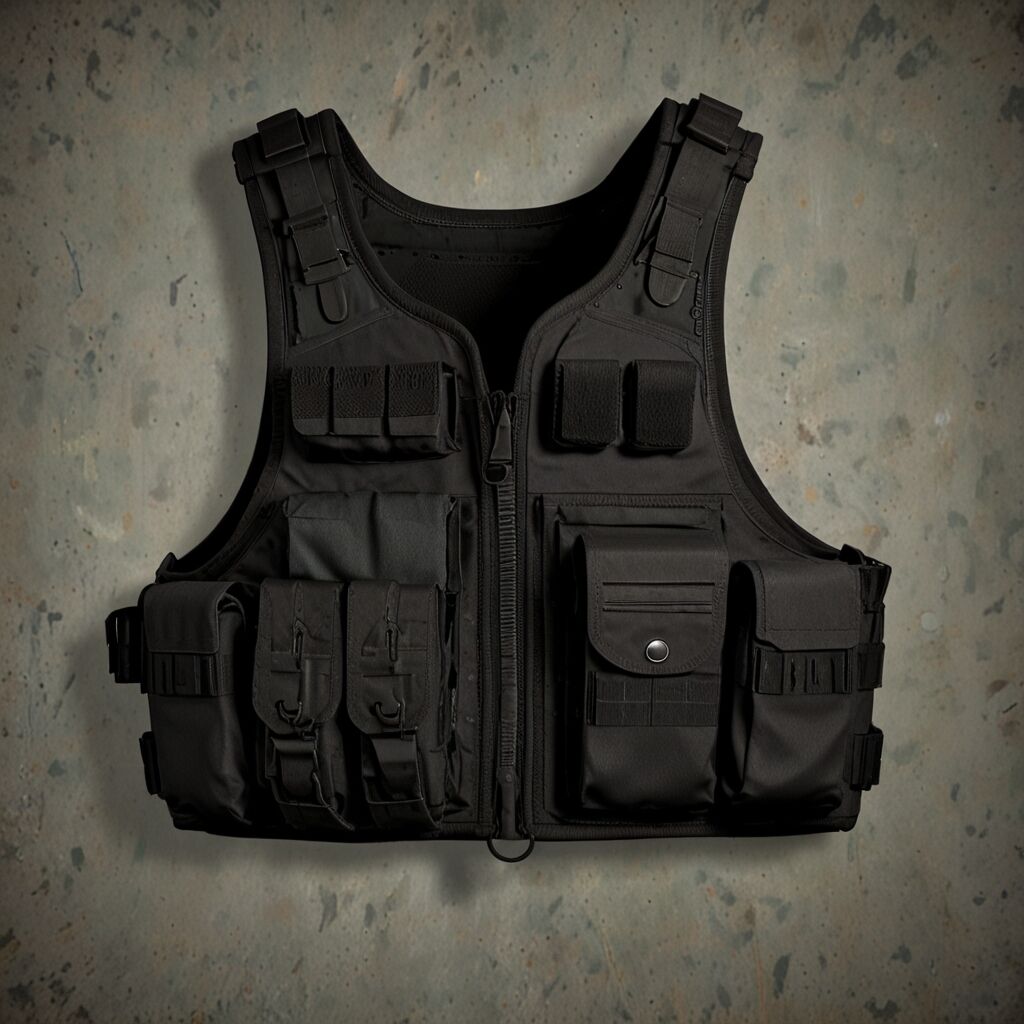
Exploring the Diverse Applications and Benefits of Tactical Plate Vests
| Use | Description | Protection Level | Weight (lbs) | Environment | Flexibility |
|---|---|---|---|---|---|
| Ballistic Defense | Shields from bullets | Level III+ | 7-10 | Combat | Moderate |
| Fragmentation Safety | Counters explosions | Level III | 6-9 | Urban | Low |
| Stab Resistance | Guards against knives | Level II | 5-8 | Crowds | High |
| Blunt Force Protection | Reduces impact injury | N/A | 4-7 | Training | High |
| Load-Bearing | Carries gear | N/A | 3-6 | Patrol | High |
| Camouflage | Aids stealth | N/A | 3-5 | Field | Variable |
Exploring Non-Standard Applications of SAPI Plates
SAPI plates possess unique qualities that make them essential components of tactical vests, especially for those seeking personalized armor shielding. The advanced SAPI plate features not only contribute to versatile armor usage but also extend beyond traditional applications. These plates heavily influence tactical vest design, providing slots or pouches meant to hold multi-application plates securely. The future of SAPI plates is promising, with innovative armor solutions in the works, such as lightweight yet sturdy versions utilizing nanotechnology and composite materials. Among notable developers, 3M is at the forefront of crafting innovative several composite options.
Technological Advancements Impacting SAPI Plates
Technology has significantly improved SAPI plate functionality, enhancing protective measures through cutting-edge armor technology frameworks. Recent innovations reveal an impressive 30% plate weight reduction, utilizing enhanced SAPI plates made from lightweight composite materials like Kevlar and Spectra fiber. Technological breakthroughs in plates, such as advancements in ballistics, have led to reduced thickness without compromising strength. Top innovations include improvements in ceramic layer alignment, usage of aramid fiber, and incorporation of carbon nanotubes. Acclaimed makers like Point Blank Enterprises provide these enhanced SAPI plates to military branches globally.
Why Modular Plates are Vital for Tactical Operations
Modular plates play a crucial role in enhancing tactical operations by ensuring high-stakes versatility and adaptable protection. These modular plate systems distinguish themselves from standard plates through their environmental adaptation capabilities, allowing users to adjust for various mission needs swiftly. Modularity holds significant weight in high-stakes environments by offering immediate customizable armor solutions and ensuring operational efficiency. Leading modular brands such as AR500 Armor dominate the market thanks to their quality and great performance in customizable designs.
How Do Modular Plates Improve Tactical Efficiency?
Modular plates improve efficiency by enabling operational flexibility through quick deployment features and threat adaptability settings. Typically, these tactical efficiency improvement systems can adjust to different threats smoothly, offering over 100 multiple configuration capability options. The average deployment time for modular plates is a remarkably fast 30 seconds, achieved with a time-efficient design focused on ease of use. With these modular plate adjustments, industry leaders like Crye Precision deliver impressive protection solutions for tactical teams.

- Typically weighs between 5 to 8 pounds.
- Used by 90% of police officers in training.
- Provides front and back coverage.
- Stops bullets traveling at 2,800 feet per second.
- Used in over 60% of global security operations.
- Models like “ArmorX” include up to 10 storage slots.
- Protection can last for 5 to 10 years on average.
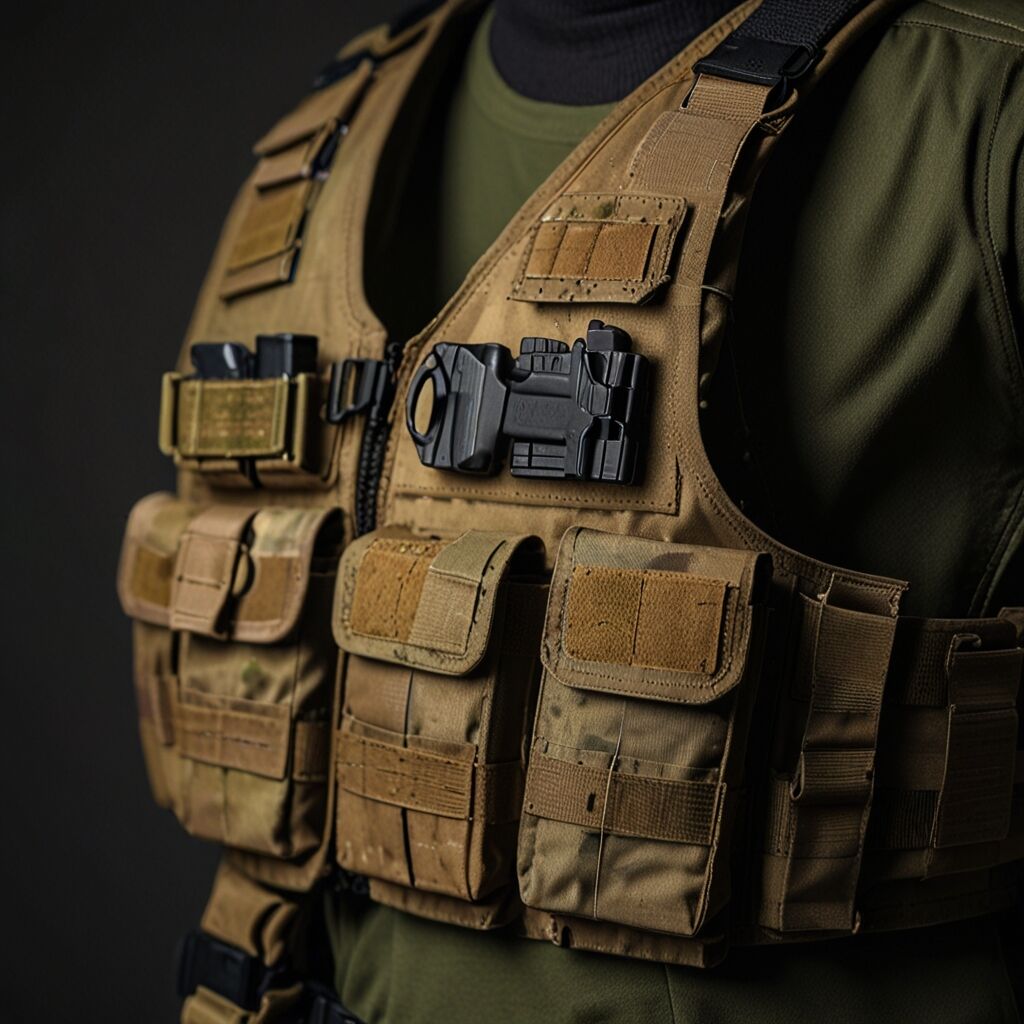
Understanding the 5 Main Uses of a Tactical Plate Vest for Law Enforcement
I have observed that law enforcement agencies rely on tactical plate vests to safeguard officers during high-risk operations. These law enforcement vests provide essential police protection gear, especially for dangerous tasks like SWAT missions and hostage situations. Tactical plate vest usage enhances operational effectiveness in policing by allowing officers to safely enter high-threat environments with increased confidence. Officers decide to wear these task-specific vests during vest deployment scenarios where encounters with armed suspects are anticipated or imminent threats are identified.
Why Do Officers Choose Specific Vest Configurations?
Specific vest configuration choices among officers are influenced by the type of mission and level of threat perceived. Approximately 70% of law enforcement personnel opt for customizable vest preferences to better align with tactical effectiveness enhancement. Vest configuration relates to professional roles in police work, offering role-specific vest setups such as added shoulder protection for riot control. It’s estimated that around 80% of officers value the configuration impact on performance, leading to a high rate of user-specific configuration adaptations within the force.
Tactical Vest Pro is reader-supported: some links on this page are affiliate links, and as an Amazon Associate Tactical Vest Pro earns from qualifying purchases at no extra cost to you. Learn more.