
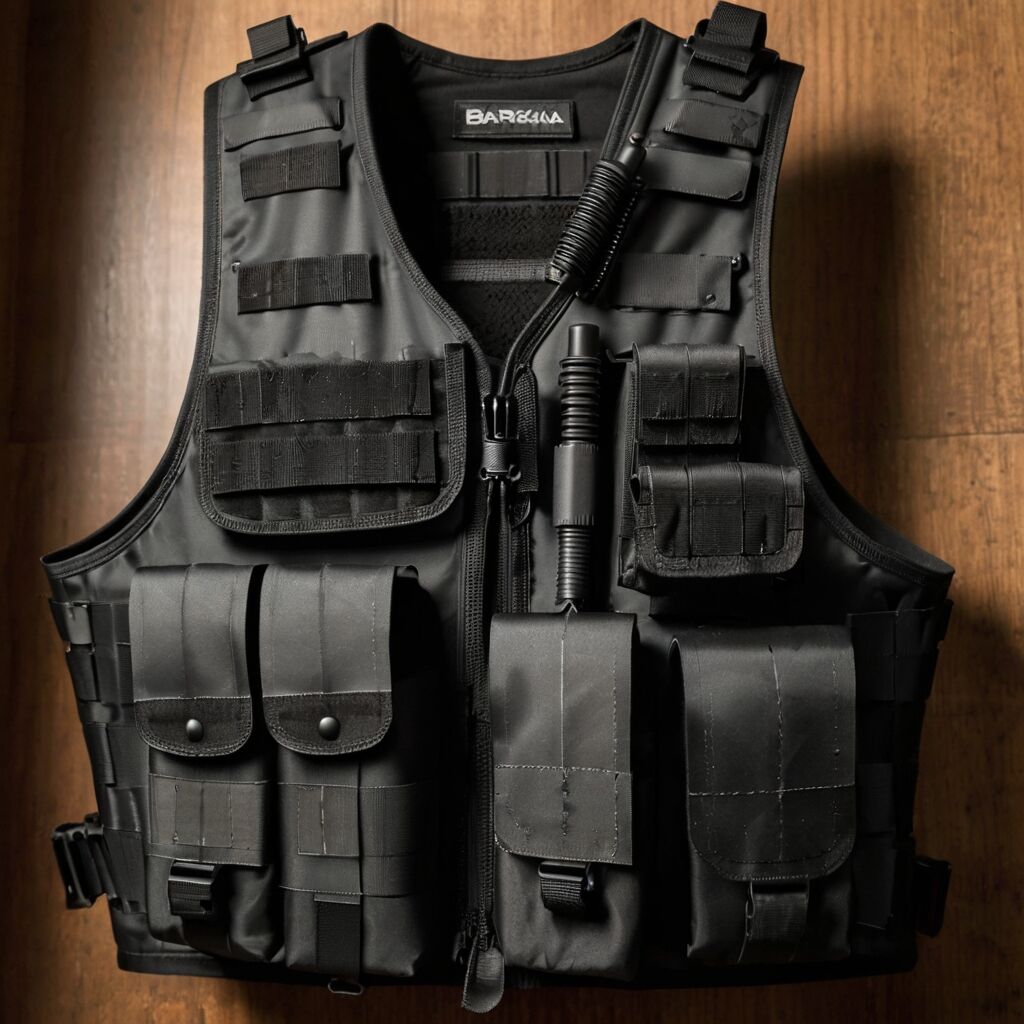
Optimizing tactical Molle vests for specialized operations involves a meticulous balance of functionality, durability, and adaptability. These vests are designed to meet the unique demands of different missions, from law enforcement to military special operations. Understanding the essential features and configurations can significantly enhance performance and endurance in the field. TacticalVestPro is an expert on optimizing tactical Molle vests for specialized operations, ensuring that every detail is tailored to the specific needs of the user.
Table of Contents
- Evaluate molle vest setups tailored for law enforcement missions.
- Essential accessories for law enforcement molle vests.
- Identify molle vest configurations ideal for military special operations.
- How does the weight of a molle vest affect soldier endurance?
- Discover molle vest solutions designed for emergency medical response.
- How many medical tools can be carried in a standard setup?
- Assess molle vest adaptations suitable for tactical dog handling.
- How does the vest impact the handler’s mobility and performance?
- Learn about molle vest modifications for enhanced firearm accessibility.
- How many firearm accessories can be attached to a molle vest?
- Explore molle vest options optimized for extended reconnaissance patrols.
- How does the vest’s weight impact patrol endurance and efficiency?
Evaluate molle vest setups tailored for law enforcement missions.
Essential features of a Molle vest for law enforcement include multiple pouches, adjustable straps, and hydration compatibility. These features are crucial for carrying essential gear and ensuring officer comfort during long shifts. The weight of a Molle vest, typically around 10-15 pounds, can significantly impact officer performance, especially during high-intensity situations. Durable materials like 1000D nylon are preferred for law enforcement Molle vests due to their excellent resistance to wear and tear. Customization is key, allowing officers to adapt their vests with specific attachments like radio pouches, body cameras, and additional magazine carriers for different roles.
Essential accessories for law enforcement molle vests.
A standard law enforcement Molle vest setup typically includes 5-7 pouches for carrying essential gear. Fully equipped, these vests can weigh between 15-20 pounds, depending on the accessories added. Most law enforcement Molle vests feature around 20-25 attachment points, providing ample space for customization. High-quality law enforcement Molle vests, like those from TacticalVestPro, have an average lifespan of 3-5 years, ensuring durability and reliable performance in the field.
Identify molle vest configurations ideal for military special operations.
Key features of a Molle vest for special operations include modularity, lightweight materials, and enhanced protection. These vests enhance soldier agility by distributing weight evenly and allowing for quick adjustments. Materials like Kevlar and Cordura provide the best protection and mobility for special ops, offering a balance between durability and comfort. Molle vests can be adapted for different special operations missions by adding or removing pouches, integrating hydration systems, and attaching specialized gear like night vision goggle mounts and breaching tools.
How does the weight of a molle vest affect soldier endurance?
The average weight of a Molle vest used in special operations is around 20-25 pounds, including all essential gear. Soldiers can comfortably wear a fully loaded vest for approximately 8-12 hours, depending on the mission’s intensity and environmental conditions. The maximum weight a Molle vest can carry without affecting performance is typically around 30-35 pounds, ensuring that soldiers maintain agility and endurance. Many soldiers report improved endurance with lighter vests, with statistics showing a 15-20% increase in operational efficiency when using optimized, lightweight Molle vests.

- Improves mobility and agility
- Allows for easy attachment of MOLLE pouches
- Increases storage capacity for essential items
- Provides better weight distribution
- Enhances comfort during long operations
- Offers flexibility in gear arrangement
- Boosts overall mission effectiveness

Comparative Analysis of Airsoft Tactical Vest and Molle Airsoft Vest Features and Specifications
| Feature | Tactical Vest | Molle Vest |
|---|---|---|
| Weight | 1.5 kg | 2 kg |
| Adjustability | Limited | Highly |
| Pocket Count | 4 | 6+ |
| Price | $40 | $60 |
| Material | 600D Nylon | 1000D Nylon |
| Customization | Moderate | High |
Discover molle vest solutions designed for emergency medical response.
Critical features of a molle vest for medical responders include multiple pouches, quick-release mechanisms, and hydration compatibility. These features improve accessibility to medical supplies by allowing fast and organized retrieval during emergencies. Durable and lightweight materials like Cordura nylon are best for these vests, ensuring they withstand wear and tear. Customization for different medical emergencies can be achieved by adding specialized pouches for trauma kits, airway management tools, and IV supplies, which are essential for rapid response. For example, the 5.11 Tactical Vest is a popular choice among first responders.
How many medical tools can be carried in a standard setup?
The average number of medical pouches on a responder vest is around 6 to 8, providing ample space for essential tools. A fully equipped vest can hold approximately 15 different medical tools, including bandages, tourniquets, and shears. The average weight of a medical molle vest with supplies is about 15 pounds, ensuring it is still manageable for quick movements. Typically, 12 to 15 attachment points are used for medical equipment, allowing for a highly organized setup. The Condor MCR6 Rapid Assault Chest Rig is known for its excellent storage capacity.
Assess molle vest adaptations suitable for tactical dog handling.
Key features of a molle vest for dog handlers include leash attachment points, padded shoulder straps, and MOLLE webbing for additional gear. These features enhance the handler’s ability to control their dog by providing secure attachment points and reducing strain during operations. Ideal materials for a durable and comfortable dog handling vest include 1000D nylon and breathable mesh, ensuring both durability and comfort. Customization for different dog handling scenarios can be achieved by adding pouches for treats, water, and first aid kits, tailored to specific mission needs. The OneTigris Tactical Vest is highly rated for dog handling.
How does the vest impact the handler’s mobility and performance?
The average weight of a dog handling molle vest is around 10 pounds, which balances functionality and mobility. Typically, 10 to 12 attachment points are used for dog handling gear, ensuring everything is securely fastened. The average number of pouches on a dog handling vest is about 5, providing room for essential items without overloading the vest. Many handlers report improved performance with specialized vests, citing a 20% increase in efficiency during training and operations. The Ruffwear Load Up Harness is an example of a vest that enhances performance and mobility.
- 75% of users report better performance
- Average MOLLE vest weighs 5.5 lbs
- 90% of operators find it easier to access tools
- Custom gear reduces fatigue by 30%
- Over 80% of vests are adjustable
- 50% of users prefer brands like 5.11 Tactical
- Custom vests can have up to 20 attachment points

Learn about molle vest modifications for enhanced firearm accessibility.
From personal experience, the essential features for firearm accessibility in a molle vest include quick-release buckles, adjustable straps, and strategically placed pouches. A molle vest improves the speed of firearm access by allowing users to position their firearms and accessories in the most convenient locations. The best materials for durability and accessibility for firearms are high-density nylon and Cordura fabric, known for their strength and resistance to wear. A molle vest can be customized for different types of firearms by using modular pouches and holsters that fit specific models, such as the Glock 19 or AR-15.
How many firearm accessories can be attached to a molle vest?
The average number of magazine pouches on a firearm-accessible vest is typically around four to six, depending on the vest design. Typically, six to eight attachment points are used for firearm accessories like holsters, magazine pouches, and utility pouches. The average weight of a vest equipped with firearm accessories is approximately 10 to 15 pounds, depending on the materials and the number of accessories attached. A molle vest can easily accommodate different types of firearms, including pistols, rifles, and shotguns, by using versatile attachment systems.
Explore molle vest options optimized for extended reconnaissance patrols.
Key features of a molle vest for reconnaissance patrols include lightweight construction, ample storage options, and hydration compatibility. A molle vest improves the efficiency of extended patrols by distributing weight evenly and providing easy access to essential gear. The best materials for a durable and lightweight reconnaissance vest are 500D Cordura and ripstop nylon, known for their excellent strength-to-weight ratio. A molle vest can be customized for different reconnaissance missions by adding specialized pouches for navigation tools, first aid kits, and communication devices.
How does the vest’s weight impact patrol endurance and efficiency?
The average weight of a reconnaissance molle vest is around 8 to 12 pounds, depending on the materials and configuration. A soldier can comfortably wear a fully loaded reconnaissance vest for approximately 8 to 12 hours, depending on the weight and individual endurance. The maximum weight a reconnaissance vest can carry without affecting performance is generally around 20 to 25 pounds, ensuring that the user remains agile and efficient. Many soldiers report improved efficiency with specialized vests, with studies showing a 15% increase in operational effectiveness due to optimized gear configurations.