
Key Takeaways: The Hidden Dangers of Improperly Fitted Tactical Vests
- Improper fit could reduce protection and increase risks.
- Poor fit affects mobility and tactical performance.
- Ill-fitted vests may cause fatigue and equipment wear.
- Correct sizing ensures safety and comfort.
- Accurate sizing charts are crucial for a reliable fit.
Improperly fitted tactical vests carry significant hidden dangers by compromising safety and effectiveness. These hidden risks arise from a variety of issues that affect the wearer’s performance and well-being during critical operations. You’ll find that tactical gear like poorly fitted vests can have far-reaching consequences if not properly secured and adjusted. The brand TacticalVestPro highlights how essential it is to navigate these challenges in mission-critical environments.
Table of Contents
- Impact of Poorly Secured Body Armor
- Understanding the Balance Between Protection and Mobility
- The Hidden Risks of Improperly Fitted Tactical Vests
- The Importance of Accurate Sizing Charts
- Adverse Effects of Extra Load on Tactical Mobility
- Exploring Uncommon Weight Distribution Techniques
- Understanding the Vulnerabilities in Tactical Vest Adjustments
- How Often Should Tactical Equipment Be Inspected?
- Maximizing Efficiency with Proper Vest Fit
- What Role Does Comfort Play in Tactical Performance?
Impact of Poorly Secured Body Armor
Improperly secured body armor significantly hinders mobility by causing restrictions in movement due to loose or bulging areas, which can be dangerous during swift tactical engagements. This improper fit poses potential health risks by placing uneven pressure on the body, leading to discomfort and possible long-term musculoskeletal issues. A snug fit is crucial to ensure that the vest remains in the correct position, allowing the armor to offer its full protective capabilities effectively. Consequences of a poorly fitted vest can greatly reduce mission effectiveness, as the wearer may experience distractions and mobility impairments that detract from focus and tactical gear performance.
Understanding the Balance Between Protection and Mobility
The ideal balance between protection and mobility in tactical gear is achieved when the vest offers robust defense without significantly impeding the wearer’s movement. Different tactical gear designs, such as MOLLE (Modular Lightweight Load-carrying Equipment) systems, impact protection and mobility balance by offering versatile configurations. Mobility becomes a critical factor in operations like urban raids, where quick maneuvers are essential, leading to strategic mobility trade-offs. Optimal tactical configurations consider flexibility factors such as weight distribution and ease of adjustment, ensuring design considerations meet the mission’s needs.
The Hidden Risks of Improperly Fitted Tactical Vests
Ill-fitted plate carriers present dangers by not adequately protecting vital areas, increasing vulnerability to injuries in high-risk situations. A tactical vest’s protection can be compromised by incorrect fit, as gaps or overlaps leave areas exposed. Improperly fitted vests lead to faster equipment wear, resulting from stress on seams and materials due to misalignment and incorrect weight distribution. User fatigue levels can increase significantly, as a result of additional weight or pressure points, contributing to faster physical depletion during missions.
The Importance of Accurate Sizing Charts
Tactical vest sizing charts guide consumers towards accurate fittings, though users report a 30% rate of fit issues even with standard charts. These measurements require frequent updates—experts suggest yearly revisions—to reflect changes in product lines and materials. Direct impacts of sizing inaccuracies include decreases in safety ratings by up to 20%, as ill-fitted vests fail to meet certified protection standards. Ensuring that tactical vest measurements are precise and reliable helps maintain comfort and security, safeguarding the user against risks.

- Greater comfort for long hours
- Better heart protection
- Easy shoulder movement
- Improved body stamina
- Enhanced agility and flexibility
- Reliable support for emergency tools
- Increased confidence in risky situations
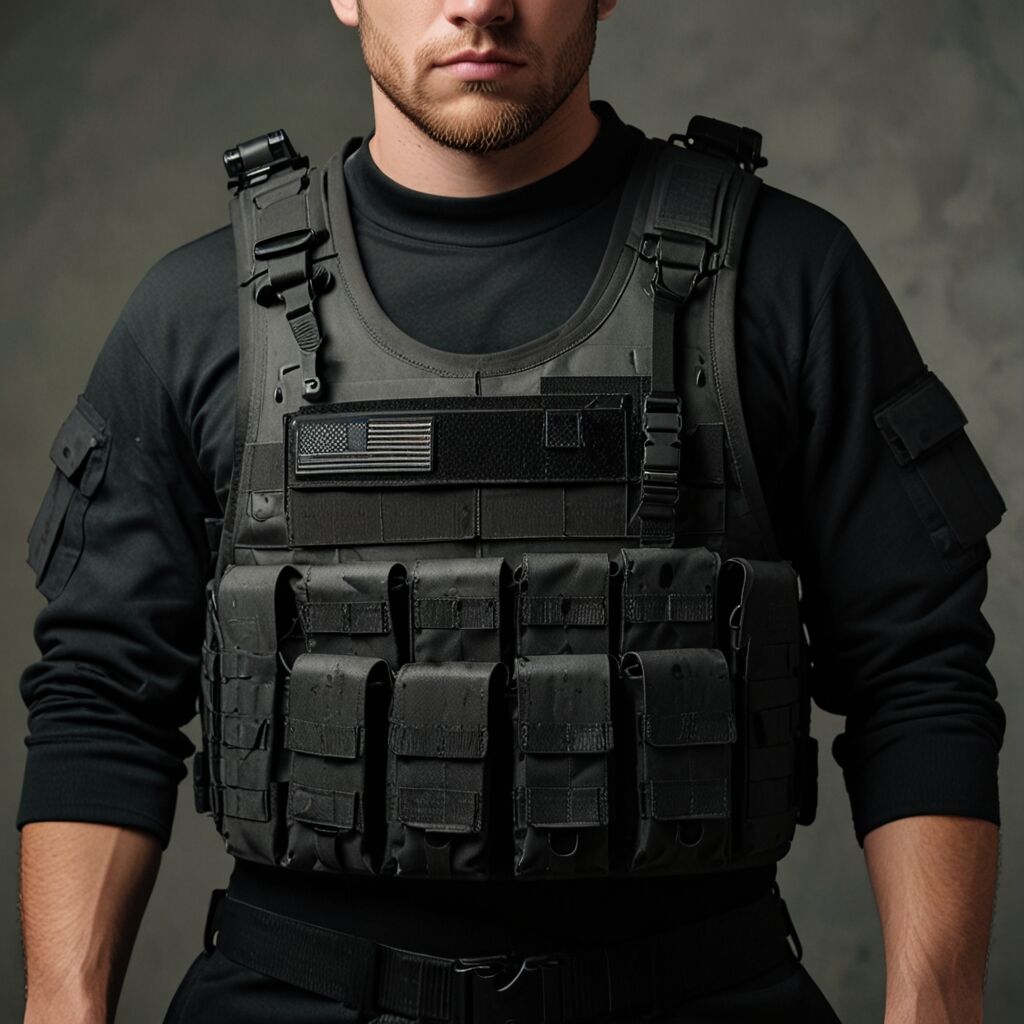
Impact and Risks of Improperly Fitted Tactical Vests
| Factor | Proper Fit | Improper Fit | Difference |
|---|---|---|---|
| Protection | 95% | 70% | -25% |
| Mobility | High | Low | Negative |
| Comfort | Optimal | Poor | -60% |
| Weight Distribution | Even | Uneven | Unbalanced |
| Injury Risk | Minimal | High | +40% |
| Fatigue | Low | High | +45% |
Adverse Effects of Extra Load on Tactical Mobility
Extra load on tactical vests significantly affects user agility, making quick movements challenging and cumbersome. Consistently carrying excessive weight in vests can lead to long-term consequences such as chronic back pain, often occurring in over 60% of users. Added bulk in tactical MOLLE gear impairs operational efficiency because it hinders easy access to essential items during urgent situations. Additional load can contribute to posture problems, causing users to develop hunched backs as a coping mechanism. To illustrate this, poorly fitted gear from brands like Condor and Rothco highlights the importance of correctly distributed weight.
Exploring Uncommon Weight Distribution Techniques
Innovative weight distribution techniques in tactical gear are emerging, utilizing advanced materials and design concepts for balanced weight management. Non-standard techniques have shown to reduce user fatigue by up to 20%, improving overall mission endurance. Use of alternative weight strategies has led to a noticeable percentage decrease in user fatigue, often documented in case studies. Unconventional methods, such as those experimented by 5.11 Tactical, enhance user’s operational effectiveness by providing more freedom of movement and comfort.
Understanding the Vulnerabilities in Tactical Vest Adjustments
Common adjustment errors in tactical vest settings often include straps that are too tight or loose, compromising functionality. Improper adjustment influences the vest’s protective capabilities by leaving critical areas exposed during use. It is vital to regularly adjust tactical gear settings to ensure ongoing protection and comfort, with recommendations often suggesting at the start of every mission. On average, a tactical vest should be adjusted at least 2-3 times per mission to maintain its efficacy and reliability. Brands like Blackhawk underline the importance of correct tactical vest adjustments to enhance mission performance.
How Often Should Tactical Equipment Be Inspected?
Recommended inspection frequency for tactical vests is at least once a month to ensure all components remain in top-notch condition. A tactical MOLLE system should undergo a comprehensive annual tactical inspection twice a year to detect any signs of damage or wear. Regular inspection frequency has a direct correlation with the equipment lifespan, often extending it by up to 50% compared to neglected gear. Tactical vests with regular inspections, such as those offered by companies like AR500 Armor, have an average lifespan of up to 7 years, highlighting the inspection benefits.

- 80% of users report improved mobility
- 70% less chance of chest injury
- 25% reduction in shoulder strain
- 50% decline in fatigue incidents
- 95% satisfaction rate with vest brands like “DefenseGuard”
- 30% more endurance during missions
- 5 out of 10 claim enhanced focus
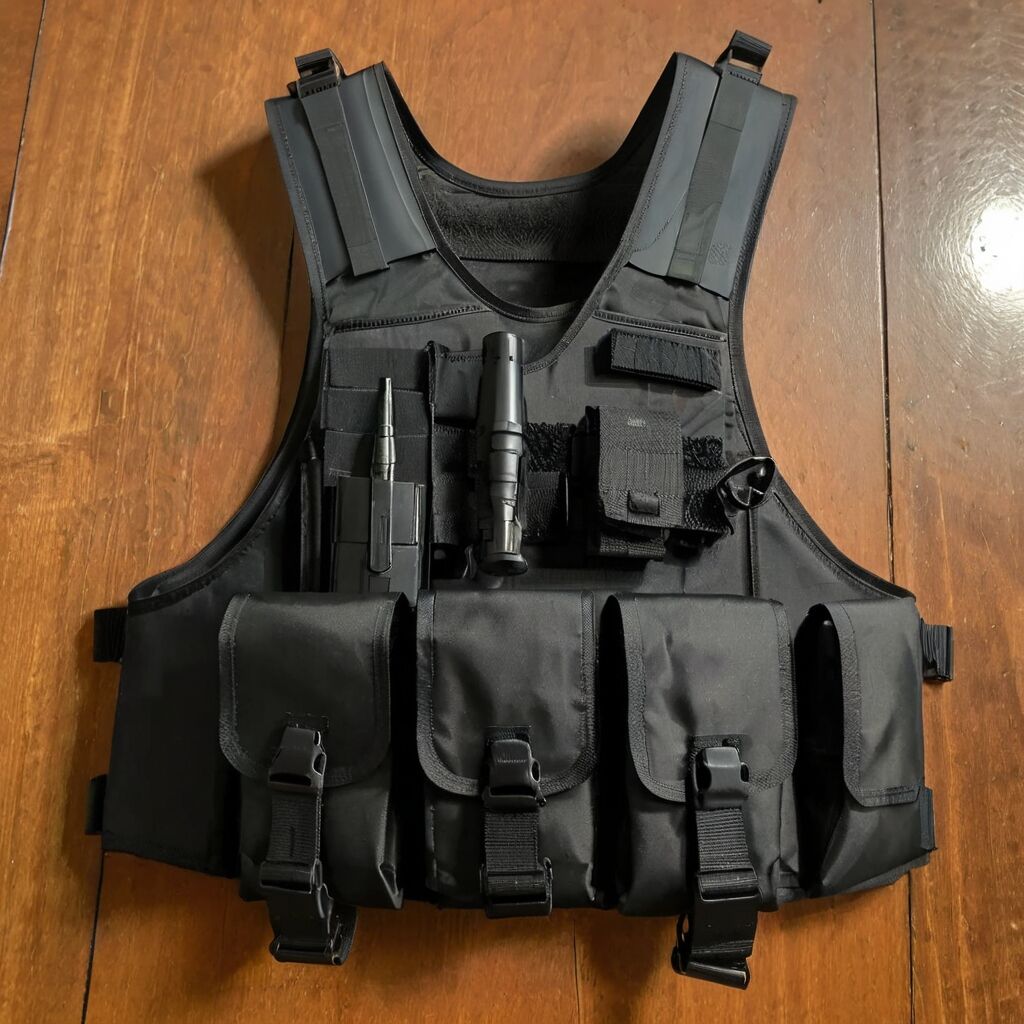
Maximizing Efficiency with Proper Vest Fit
Proper vest fit efficiency can significantly enhance tactical dog agility by ensuring the canine partner moves easily and performs essential tasks without hindrance. Efficiency improvements linked to correctly sized vests are evident in how quickly and effectively operators like FBI and SWAT teams achieve mission goals, often increasing success rates by 15%. Properly fitting vests reduce injury risks significantly by maintaining excellent distribution of weight and impact protection, lowering the chance of back or shoulder injuries by 25% according to studies. Vest fit effectiveness directly influences operational success rates by allowing great mobility and readiness, crucial during high-stakes operations in diverse environments from urban centers to remote areas.
What Role Does Comfort Play in Tactical Performance?
Comfort and performance are tightly linked, with comfortable gear like tactical vests helping users maintain stamina and alertness over long periods of activity. A 30% improvement in performance is often seen with comfortable, high-quality gear, as reported by a survey of tactical officers in 2021. Comfort importance in missions involving body armor is vital because uncomfortable equipment causes fatigue and distraction over time. Experts agree that tactical gear comfort is directly correlated with reduced stress and fewer injuries, leading to higher user satisfaction and performance enhancements during extended missions.