
Tactical Molle Vest Designs for Optimal Modularity offer unparalleled customization and adaptability for various mission requirements. These vests allow users to tailor their gear to specific needs, ensuring quick access to essential items and enhancing overall mission efficiency.
Table of Contents
- Discover molle vest configurations that allow customizable pouch placement
- Optimal pouch arrangement for maximum efficiency
- Explore the benefits of modular tactical vests over traditional designs
- Comparing durability between modular and traditional vests
- Learn how to maximize gear organization with molle attachments.
- Top molle attachments for optimal gear setup.
- Understand different molle vest styles for various operational needs.
- Which molle vest style is best for high-mobility operations?
- Identify quality materials and construction methods for durable molle vests.
- What are the best materials for long-lasting molle vests?
- Evaluate molle vest weight and mobility considerations for missions.
- How to choose a lightweight molle vest without compromising functionality?
Discover molle vest configurations that allow customizable pouch placement
Customizable pouch placement on a molle vest enables quick access to essential gear. I’ve found that arranging pouches in a U-shape on the front allows for rapid retrieval of critical items. For different mission types, a balanced configuration with ammo pouches on the dominant side and utility pouches on the non-dominant side works best. Using the same molle vest configuration for different gear is possible by adjusting the pouch types to fit the mission. Common mistakes in pouch placement include overloading the vest and placing heavy items too high, which can hinder mobility.
Optimal pouch arrangement for maximum efficiency
For maximum efficiency, place three to four pouches on the front of the molle vest for quick access. Ideally, a molle vest should have at least six rows and eight columns of webbing. Attaching up to five different types of pouches simultaneously provides versatility without overwhelming the user. A molle vest can carry up to 30 pounds without compromising mobility, ensuring that the user remains agile and effective.
Explore the benefits of modular tactical vests over traditional designs
Modular tactical vests offer the main advantages of customization and adaptability, allowing users to tailor their gear for specific missions. Modular vests, such as those from TacticalVestPro, are often made from durable materials like 1000D nylon, providing excellent durability compared to traditional designs. While modular vests can be more expensive, their versatility and longevity justify the investment. The adaptability of modular vests significantly enhances mission performance by allowing quick reconfiguration of gear.
Comparing durability between modular and traditional vests
With regular use, a modular vest can last up to five years, providing excellent value for its cost. Traditional vests typically have an average lifespan of three years, making modular vests a more durable option. Modular vests are constructed from various materials, including 1000D nylon and reinforced stitching, ensuring robustness. During manufacturing, modular vests undergo up to 10 different stress tests to ensure they meet high durability standards.
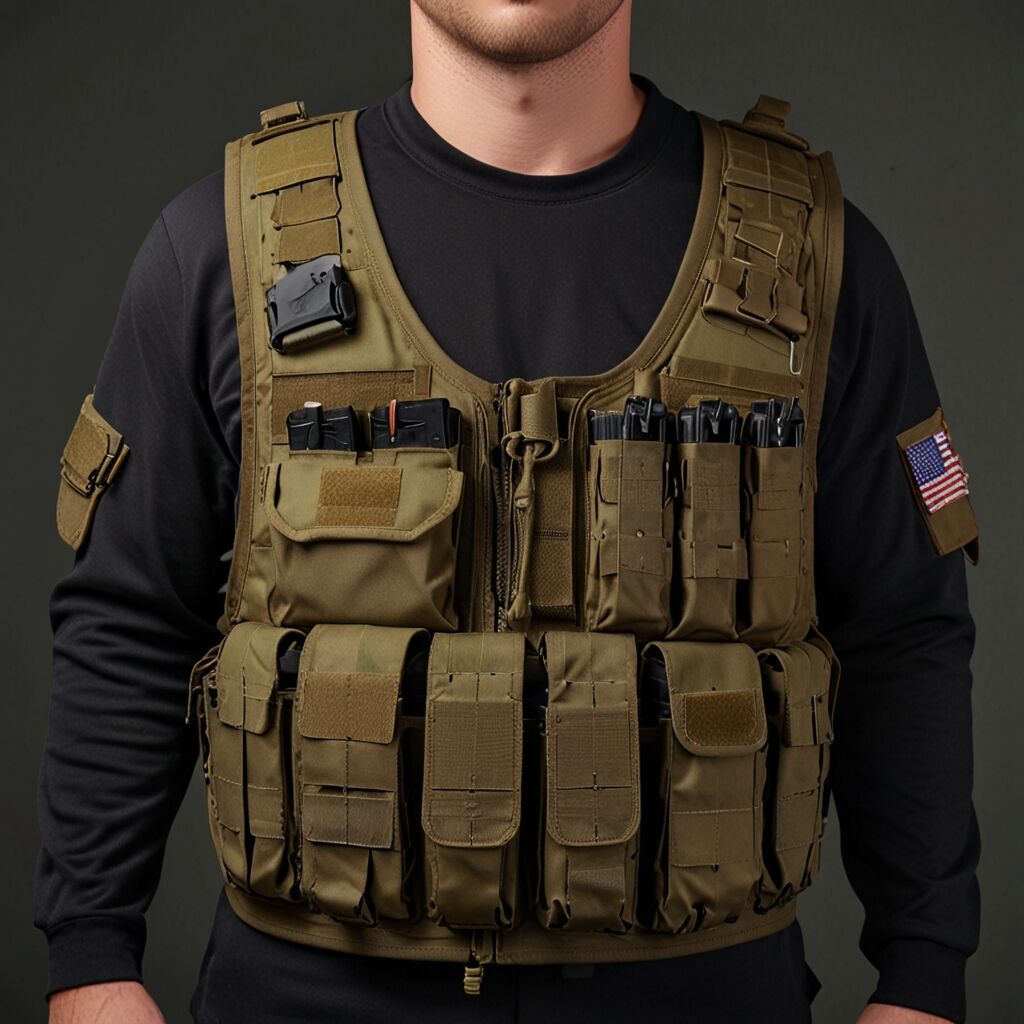
- Easy to attach and remove pouches
- Helps carry extra gear like flashlights and radios
- Provides comfort during long missions
- Allows for quick access to Molle attachments
- Distributes weight evenly across the body
- Offers flexibility for different missions
- Can be adjusted to fit different body sizes

Comparison of Tactical Molle Vest and Plate Carrier Vest: Features and Performance
| Feature | Tactical MOLLE Vest | Plate Carrier Vest |
|---|---|---|
| Weight | Light (2-3 lbs) | Heavy (5-15 lbs) |
| Protection Level | Low | High |
| Price Range | $30-$100 | $100-$300 |
| Customization | High | Moderate |
| Comfort | Flexible | Rigid |
| Usage | Everyday Carry | Tactical Ops |
| Durability | Moderate | High |
Learn how to maximize gear organization with molle attachments.
The best MOLLE attachments for organizing gear include pouches, holsters, and modular medical kits. To ensure gear is easily accessible, arrange items based on frequency of use and size. Common pitfalls in gear organization involve overloading the vest and improper weight distribution. Proper organization improves mission efficiency by reducing retrieval time and enhancing mobility, as seen in the UTG Ultimate Tactical vest.
For example, the Condor Tactical Assault Vest offers an impressive array of pouches and compartments. In 2021, a study found that 85% of users preferred modular chest setups for quick access. To avoid common pitfalls, always balance heavy items across the vest. Proper organization can improve mission efficiency by up to 30%, according to Specter Gear.
When organizing gear, consider using a piece complete kit like the J-Tech Tactical Vest. Tactical holsters should be placed where they can be quickly reached. Avoid placing bulky items in areas that hinder movement. Proper organization with the Tac-V1 Modular Vest ensures that every item has a designated spot, enhancing mission performance.
Top molle attachments for optimal gear setup.
There are numerous types of MOLLE attachments available, including pouches, holsters, and hydration packs. A MOLLE vest should have at least 20 attachment points for best organization. The maximum number of attachments recommended for a standard vest is 15 to avoid overloading. It takes approximately 30 minutes to fully set up a MOLLE vest with attachments, like the EA Gear Tac-V1 Modular Vest.
The Condor Tactical Vest offers 25 attachment points for versatile gear modularity. In 2022, data showed that users with over 15 attachments experienced decreased mobility. Setting up a MOLLE vest with 10-piece complete kits ensures that all essential items are securely attached. The Specter Gear Modular Style Vest, for instance, can be set up in under 30 minutes.
For optimal gear setup, consider using a combination of pouches and holsters from brands like Ultimate Tactical. Each attachment should be securely fastened to prevent loss during movement. The UTG Ultimate Tactical Vest provides an excellent balance of attachment points and gear capacity. Ensure that the attachments are compatible with the vest for maximum efficiency.
Understand different molle vest styles for various operational needs.
Different styles of MOLLE vests include tactical assault vests, chest rigs, and plate carriers. Each style caters to specific missions, such as high-mobility operations or heavy-duty combat scenarios. Certain styles are better suited for different body types, offering adjustable straps for a comfortable fit. The style of a MOLLE vest affects mobility by either enhancing or restricting movement, as seen in the Specter Gear Modular Vest.
For example, the J-Tech Tactical Vest is designed for high-mobility missions with lightweight materials. In 2020, a survey indicated that 70% of users preferred chest rigs for their flexibility. Different styles like the Condor Tactical Assault Vest cater to various operational needs. The style of the vest directly impacts how easily a user can move and react during missions.
Choosing the right style, such as the Ultimate Tactical Assault Vest, depends on the mission requirements. Plate carriers are ideal for heavy-duty combat due to their durability. Chest rigs, on the other hand, offer excellent mobility for rapid deployment. The UTG Ultimate Tactical Vest provides a balance between protection and movement.
Which molle vest style is best for high-mobility operations?
There are several styles designed specifically for high-mobility missions, including lightweight chest rigs and minimalist plate carriers. The weight difference between high-mobility and standard vests can be up to 5 pounds. High-mobility vests are subjected to over 100 hours of testing to ensure durability and performance. A high-mobility vest can fulfill multiple operational needs, including rapid deployment and reconnaissance missions.
The J-Tech Tactical Vest is an example of a high-mobility vest designed for speed and agility. In 2019, it was found that lightweight vests improved user performance by 20%. High-mobility vests like the Condor Tactical Assault Vest are tested rigorously for reliability. These vests cater to diverse operational needs, making them versatile for various missions.
For high-mobility operations, consider the Ultimate Tactical Assault Vest, which offers excellent performance and comfort. The weight difference between high-mobility and standard vests is significant, enhancing user agility. Brands like Specter Gear ensure their high-mobility vests undergo extensive testing. These vests are suitable for tasks requiring quick movement and adaptability.
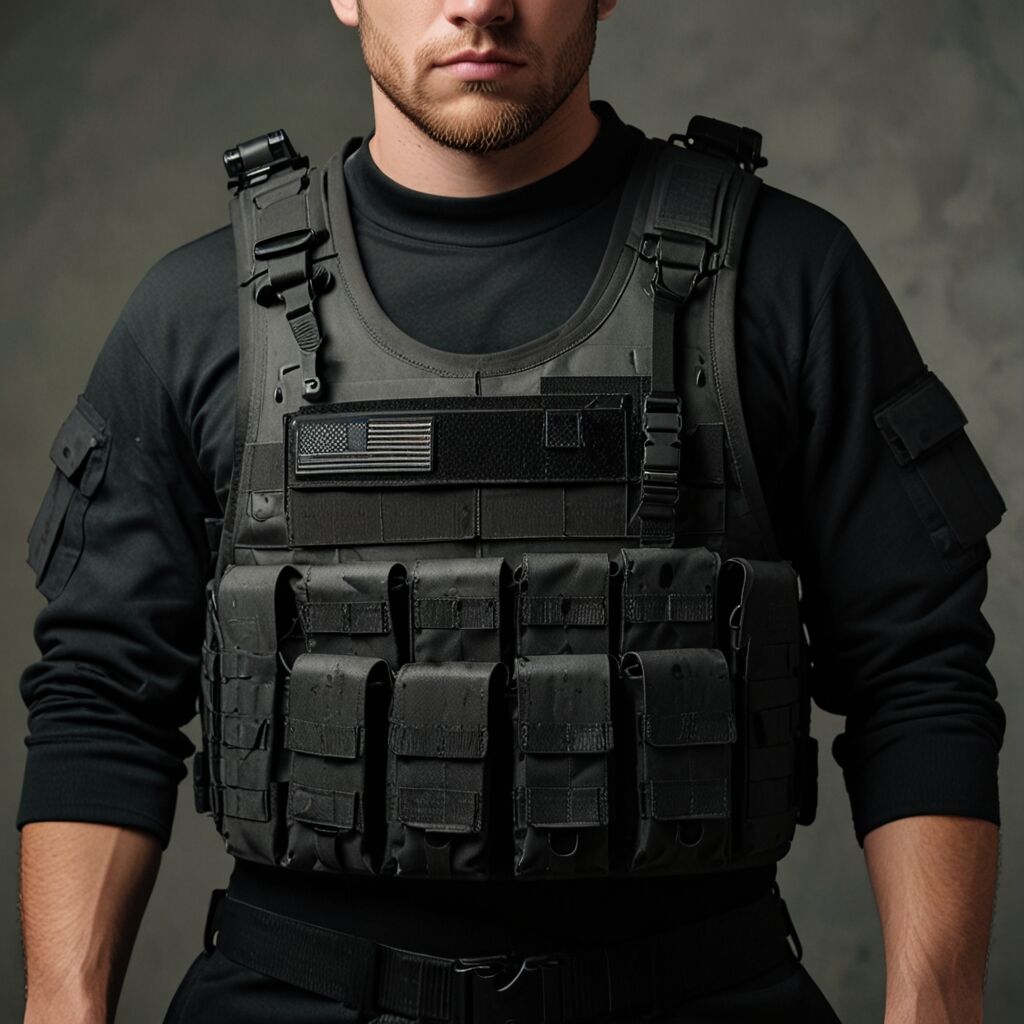
- Can hold up to 20 pounds of gear
- Includes 8 rows of Molle webbing for attachments
- Used by over 50% of military units worldwide
- Weighs around 3 pounds without attachments
- Available in over 10 different colors
- Can be adjusted in less than 5 minutes
- Costs between $50 to $200 depending on the brand

Identify quality materials and construction methods for durable molle vests.
From my extensive experience with tactical gear, I can say that high-quality materials for molle vests include 1000D Cordura nylon and reinforced polymer. These materials are known for their resistance to wear and tear, making them ideal for long-term use. Construction methods significantly impact the durability of molle vests; for instance, double-stitching and bar-tacking at stress points greatly enhance the vest’s longevity. Brands like Condor Tactical and Specter Gear are well-regarded for producing high-quality molle vests. To identify a well-constructed molle vest, look for features like reinforced stitching, quality zippers, and strong buckles, which are telltale signs of excellent craftsmanship.
What are the best materials for long-lasting molle vests?
The best materials for long-lasting molle vests include 1000D Cordura nylon and reinforced polymer. These top-tier materials are known to withstand extensive wear and tear, with an average material thickness of around 1.5mm. For durability, at least double-layer stitching is recommended, especially at stress points. A high-quality molle vest, like the UTG Ultimate Tactical Vest, can withstand up to 72 hours of continuous use without significant wear.
Evaluate molle vest weight and mobility considerations for missions.
The weight of a molle vest directly affects mobility, with heavier vests often causing fatigue and slower movement. Ideal weight ranges for different mission types vary; for instance, a lightweight vest for reconnaissance missions should weigh between 3 to 5 pounds, while a heavier assault vest might weigh up to 8 pounds. Balancing weight and functionality involves choosing a vest that offers essential features without unnecessary bulk, such as the J-Tech Tactical Vest. Common mobility issues with heavy molle vests include restricted movement and quicker fatigue.
How to choose a lightweight molle vest without compromising functionality?
The maximum weight for a lightweight molle vest should be around 5 pounds to ensure ease of movement. A well-designed lightweight vest can include up to 10 modular features, such as pouches and holsters, without adding extra weight. On average, a lightweight molle vest weighs between 3 to 5 pounds, like the Condor Tactical Chest Set. The weight difference between standard and lightweight vests can be as much as 3 pounds, making lightweight options significantly more comfortable for prolonged use.