
A tactical vest is a load-bearing garment designed to secure equipment, gear, and protective plates close to the torso. It functions by distributing the weight of carried items across the shoulders and hips, allowing a person to carry heavy loads while maintaining the ability to move, reach, and rotate their upper body. Unlike a standard backpack, which moves independently of the torso, a tactical vest remains fixed to the body to ensure that gear stays in a predictable location during physical activity.
This category of gear exists to solve the problem of weight distribution and accessibility. When a person carries heavy items—such as tools, radios, or protective plates—on a belt or in a bag, the weight pulls on the center of gravity or causes the gear to shift. This creates “sag” or “swing,” which leads to rapid muscle fatigue in the lower back and shoulders. A tactical vest solves this by anchoring the weight to the ribcage and shoulders, keeping the center of gravity stable and the gear within immediate reach of the hands.
How Does a Tactical Vest Work?
A tactical vest works by creating a stable platform for gear through a three-step mechanical process of tension, distribution, and retention.
- Tensioning: The vest uses adjustable straps, typically over the shoulders and around the waist, to pull the garment tight against the torso. This ensures the vest does not move independently of the body.
- Load Distribution: The internal structure and padding move the weight of the gear away from a single point of contact. By spreading the load across the large surface area of the chest and back, the vest reduces the pressure on any single muscle group.
- Retention: The exterior surface provides a mounting system for gear. Once a piece of equipment is attached, the vest’s structure prevents it from bouncing or shifting, ensuring that the user can rely on the gear being in the exact same position every time they reach for it.
Tactical Vests we have reviewed in detail
Prices across these 3 run from $100.99 to $138.11; each one has a full review here.
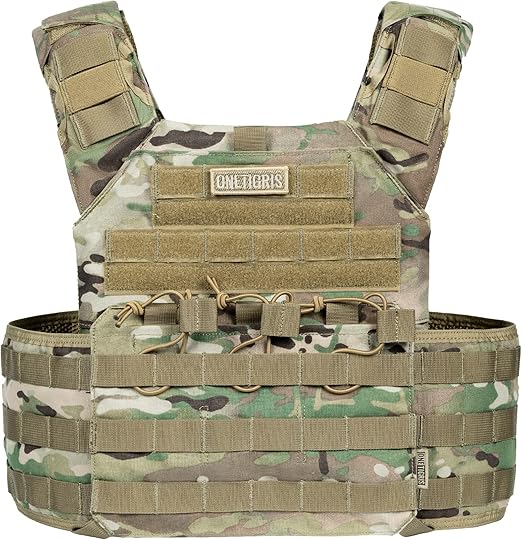
OneTigris DOOM Tactical Vest
$119.98 price checked August 2026
If you are looking for mobility while abroad, see our guide to the best plainclothes vest for travel.
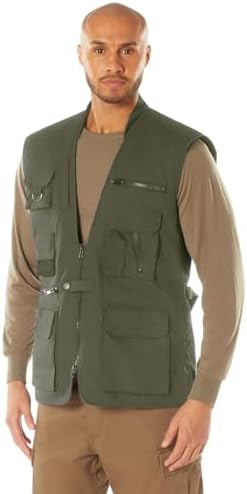
Rothco Conceal-Ops Plainclothes Vest
$100.99 price checked August 2026
Read our full Conceal-Ops Vest review
For those needing extra storage on the lower body, explore the best tactical vest with leg platforms.

Parts and Stages That Matter to a Buyer
Understanding the specific components of a tactical vest helps determine how the gear will perform under load and how much mobility it will preserve.
The MOLLE/PALS Attachment System
The MOLLE (Modular Lightweight Load-carrying Equipment) and PALS (Pouch Attached Landing System) standards are the industry standard for mounting gear. This system consists of rows of heavy-duty nylon webbing stitched onto the vest. By using these rows, a buyer can attach pouches, holsters, or panels in specific locations. This allows for a customized layout where the most frequently used items are placed in the most accessible positions.
To help you understand technical specifications, view our breakdown of tactical vest terms and specs.
Side-Release Buckles
Side-release buckles are the primary interface for donning and doffing the vest. These are plastic or metal fasteners that snap into place and can be released with a quick press. The quality of the buckle determines how much force the vest can withstand before the fasteners fail. High-quality buckles ensure that the tension of a fully loaded vest does not cause the fasteners to pop open during movement.
Weight Distribution and Geometry
Weight distribution is determined by the geometry of the armholes and the padding in the shoulder straps. If the armholes are too narrow, the vest will restrict the ability to reach forward or overhead. If the shoulder straps are too thin, the weight of the gear will concentrate on the trapezius muscles, leading to rapid fatigue. A well-designed vest balances these two factors by providing wide enough openings for mobility while maintaining enough surface area to spread the load.
Material Abrasion Resistance
Material abrasion resistance refers to the denier (thickness) of the nylon or polyester used in the construction. Because a vest experiences constant friction from the user’s clothing and the gear it carries, high-wear areas like the bottom edges and the shoulder straps require durable fabrics. Low-denier fabrics may fail prematurely at these friction points, leading to fraying or tearing of the load-bearing structure.
What Does Having a Tactical Vest Change in Practice?
Having a tactical vest changes the experience of carrying gear by moving the physical burden from the extremities to the core of the body. In a practical sense, this means that a user can carry 20 lbs of equipment and feel it as a stable weight against their chest rather than a shifting weight on their hips.
Mobility and Range of Motion
The difference in mobility is most noticeable when reaching for items. In a vest, a radio or tool is positioned within a few inches of the hand. Without a vest, a user might have to reach down to a belt or around to a bag, which can be slower and less stable. However, a vest can also restrict movement if the fit is incorrect; a vest that is too bulky around the armpits will prevent the user from fully extending their arms.
Stability During Movement
When running or moving quickly, a vest ensures that the gear remains static. This prevents the “bounce” that occurs with backpacks or pouches. The stability of a vest is a constant benefit regardless of the weight being carried, as it maintains the balance of the user’s center of gravity.
Ensuring a proper fit is vital, so learn how to choose your chest circumference for tactical vests.
Where a Vest Does Not Change the Experience
A tactical vest does not change the experience of carrying very light loads. If a user is only carrying a single small item, a vest may actually be less efficient than a simple pocket or a small pouch because the vest itself adds weight and bulk. Additionally, a vest does not improve the comfort of the gear itself; if a radio is uncomfortable to wear, a vest will not change that sensation, it will only change where that radio is located.
Who Needs a Tactical Vest?
Determining who needs a tactical vest depends on the specific requirements of the task and the weight of the gear being carried.
Users with High Load Requirements
A tactical vest is necessary for individuals who must carry heavy equipment over long distances or for extended periods. This includes professionals who need to carry heavy tools, medical supplies, or protective plates where the weight would otherwise cause significant strain on the lower back or hips.
Users Requiring Rapid Access
A tactical vest is suitable for anyone who needs to access their gear instantly. If the priority is reaching for an item in a split second without looking, the fixed position of a vest provides a level of reliability that bags or belt-mounted pouches cannot match.
Users with Low Load Requirements
A tactical vest is not necessary for users who only need to carry light items occasionally. For these users, the added weight and bulk of a vest are unnecessary, and a simple waist belt or a small pouch provides a more efficient solution for carrying a single phone, flashlight, or multi-tool.